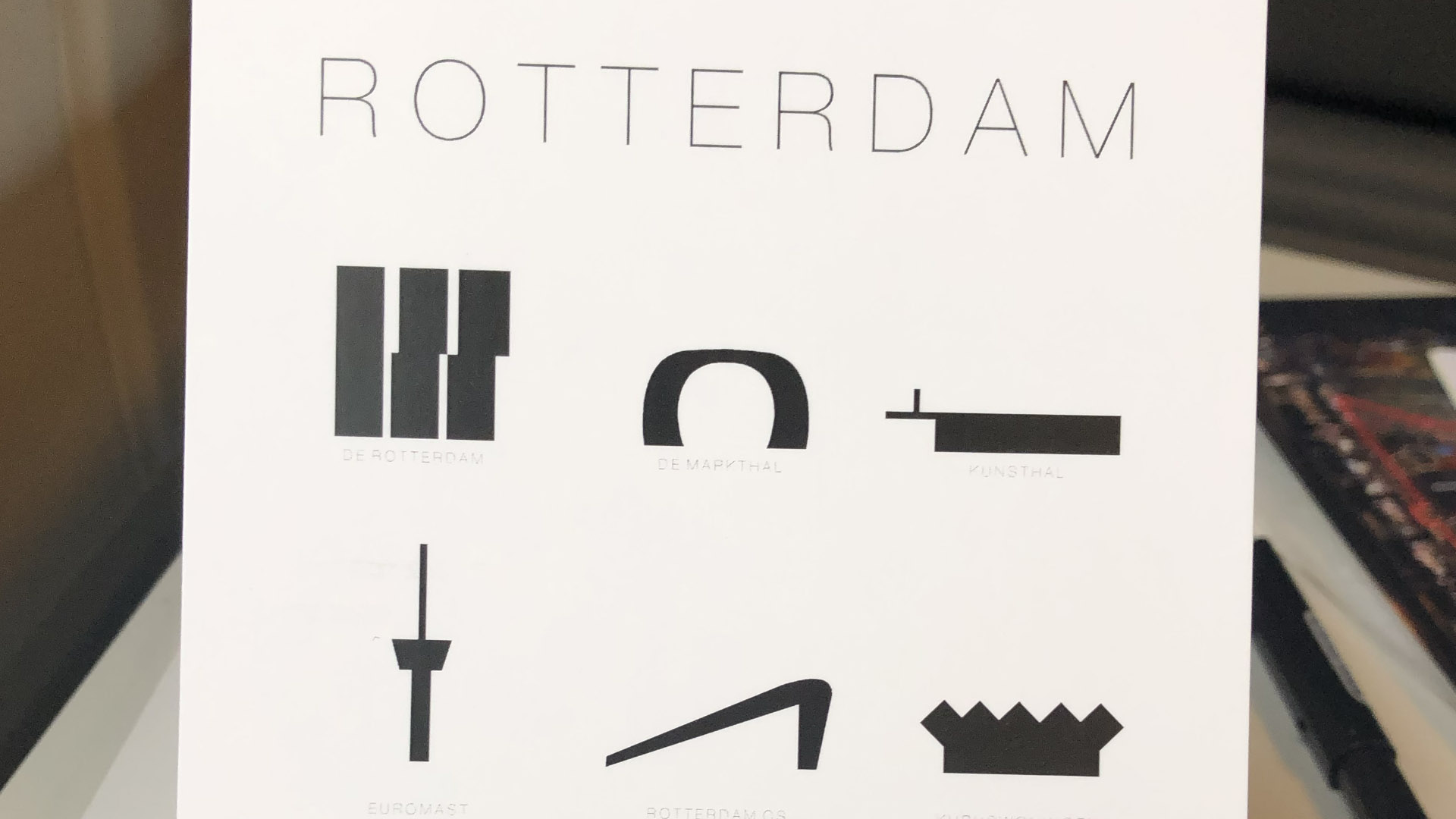
Rotterdam is one of the best cities in the Netherlands for a modern architecture walk, with a route that moves from Rotterdam Centraal and Sonneveld House to Van Nellefabriek, Kunsthal, Markthal, the Cube Houses, and Erasmus Bridge.
It feels different from Amsterdam right away: less about one preserved postcard image and more about rebuilding, experiments, bridges, stations, factories, and buildings that keep testing what a city can become.
A short Rotterdam architecture reel
This post turns the short travel reel into a more specific Rotterdam architecture route, with the buildings, keepsakes, and route logic written out clearly.
Why Rotterdam stands apart from Amsterdam and the wider Netherlands route
Amsterdam, The Hague, Utrecht, and Otterlo all carry strong museum and city-memory cues, but Rotterdam is the clearest architecture-first day in this series. The city works as a sequence of stations, houses, factories, halls, bridges, and experimental housing rather than a quieter chain of museum rooms or canal views.
That difference is exactly why Rotterdam is worth saving separately. If Amsterdam is about museum density and the wider Netherlands route is about smaller art and architecture anchors, Rotterdam is about modern form at full city scale.
A Rotterdam architecture route, from arrival to icons
I would save Rotterdam as a timeline: arrive through the station, look back at early modern domestic and industrial design, then move into the contemporary city of OMA, MVRDV, Cube Houses, and the river skyline.
Central Train Station
Rotterdam Centraal is the natural starting point. The station feels like a gateway into the modern city, and it makes a strong first memory anchor for a day built around architecture.
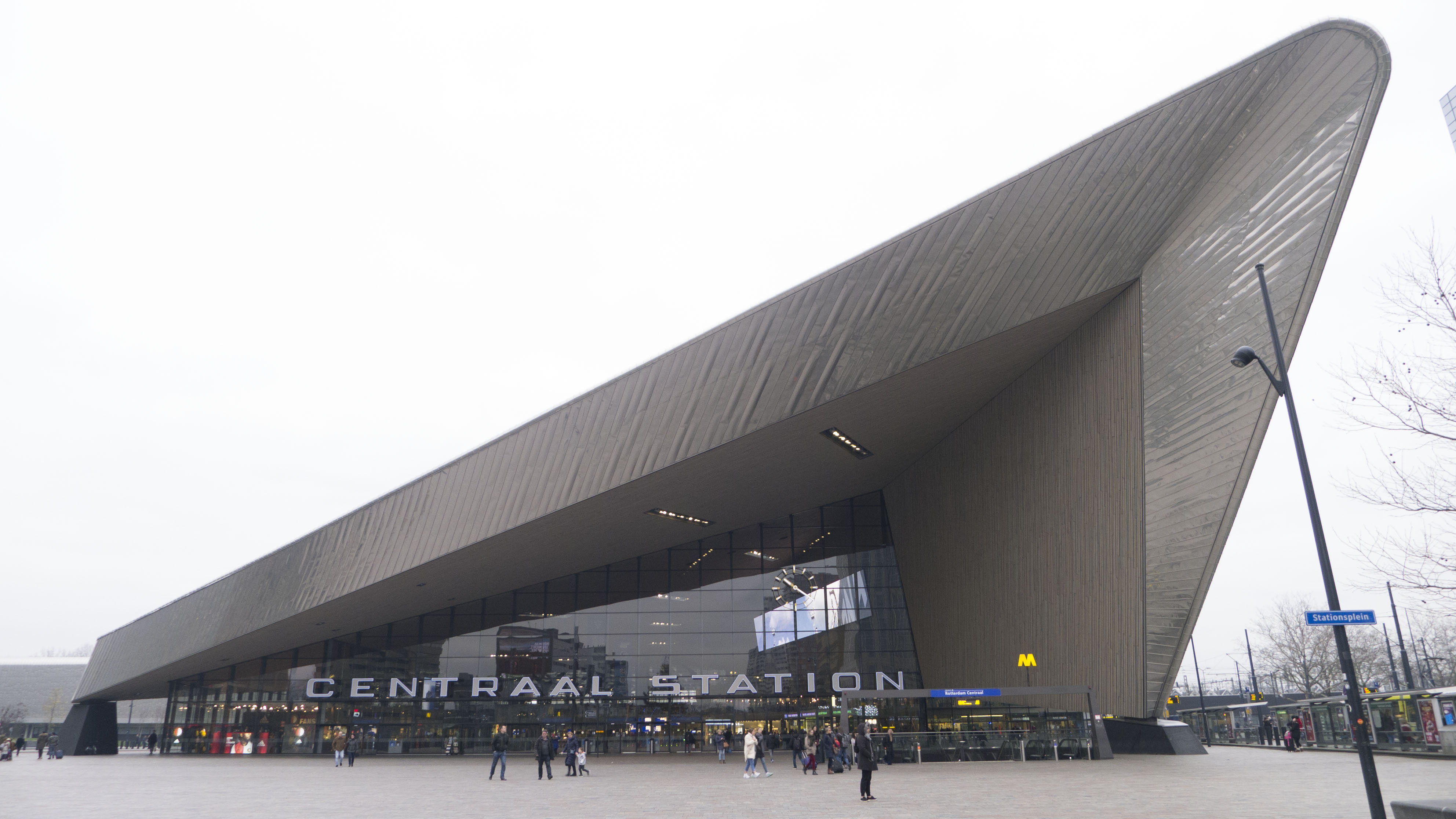
Start with arrival: the station sets the tone before the route even begins.
Sonneveld House
Sonneveld House brings Rotterdam modernism down to a domestic scale. It is connected to the Van Nelle story through Albertus Sonneveld, one of the Van Nelle directors, and it shows how the same functionalist ideas could shape daily life, furniture, light, and rooms.
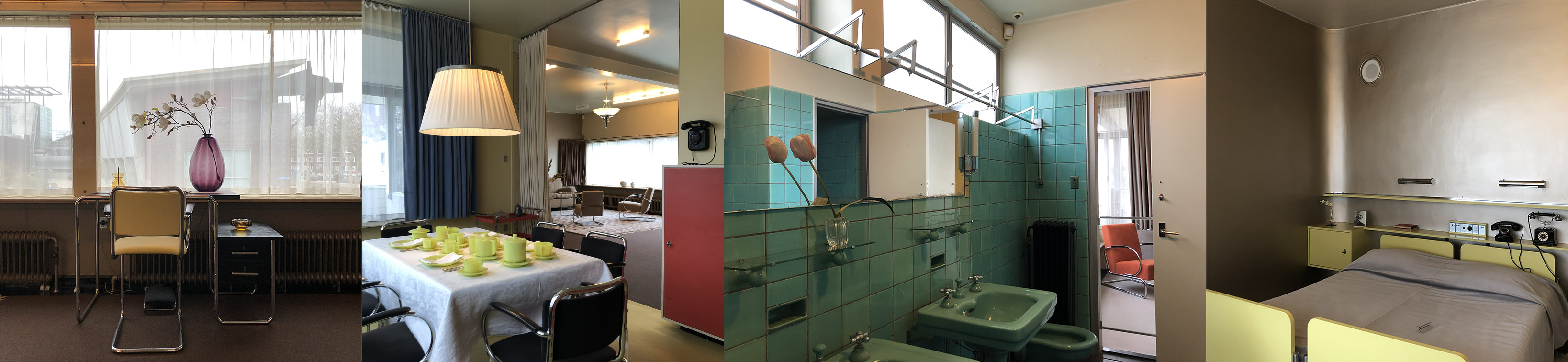
A house can be an architecture memory too: not only a facade, but the way a room was meant to be lived in.
Van Nellefabriek
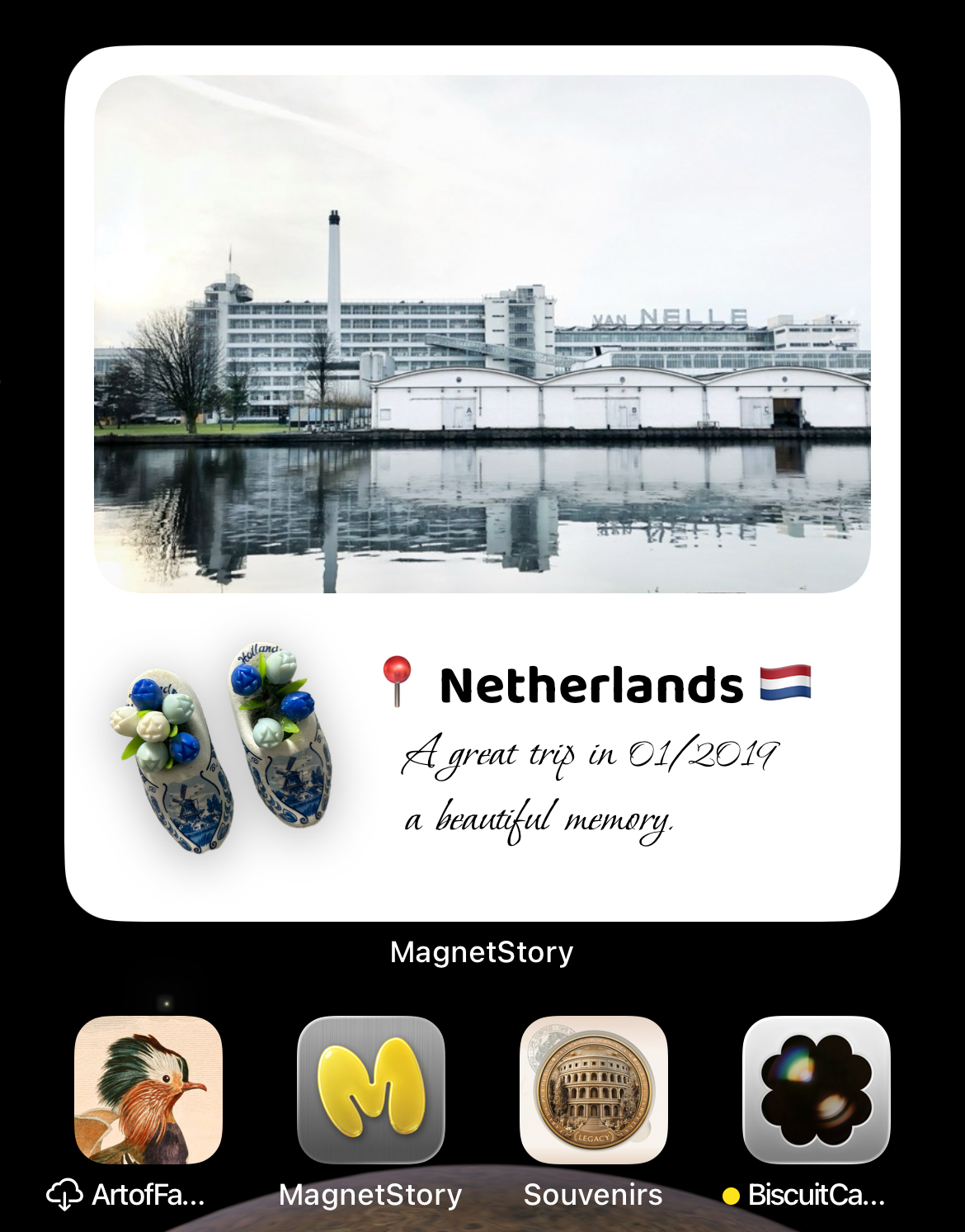
Van Nellefabriek is one of Rotterdam's clearest modernist anchors. Built as an industrial complex of light, glass, and functional structure, it is now recognized as a UNESCO World Heritage site and still feels like a blueprint for a modern workplace.
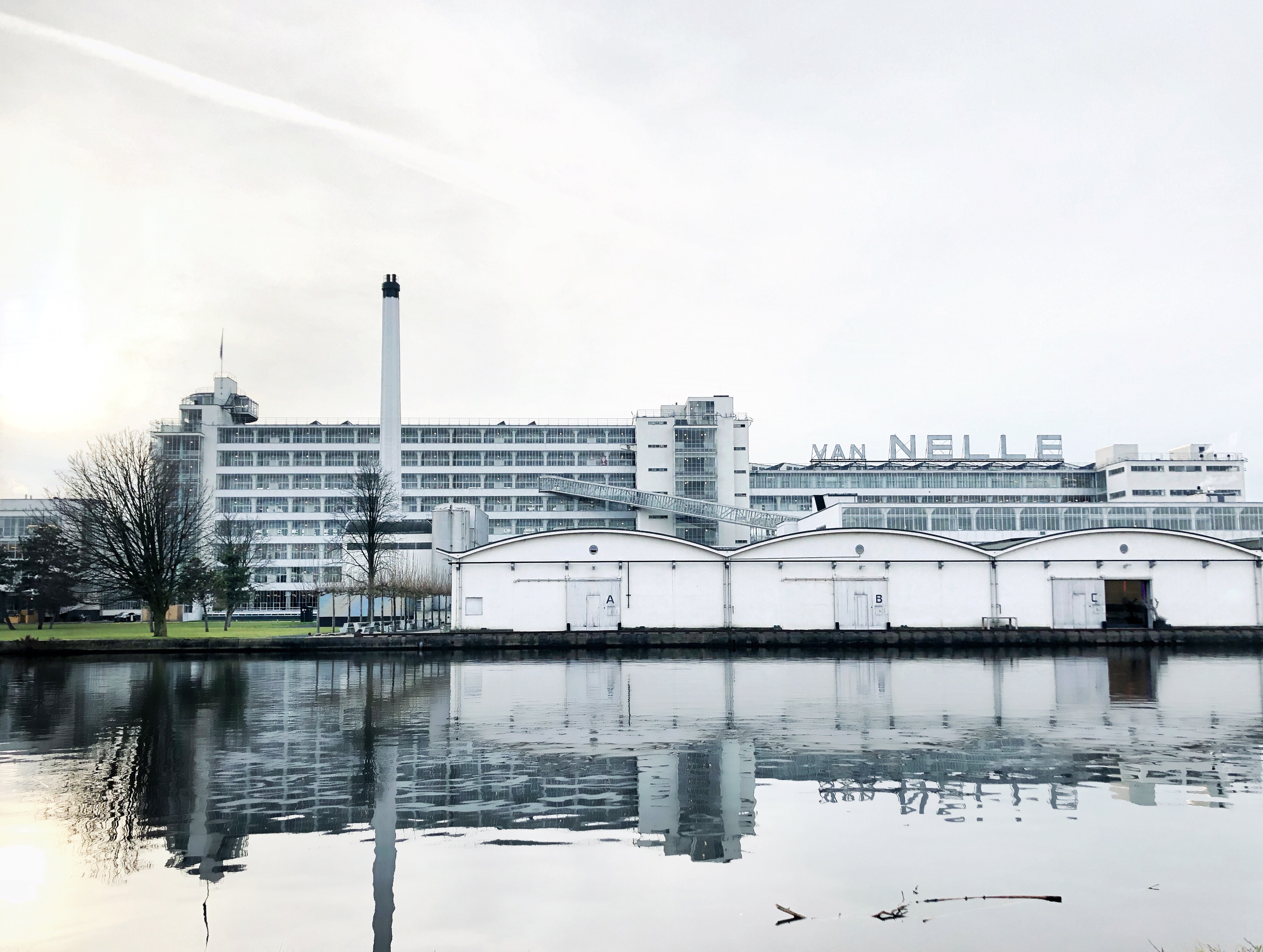
Van Nellefabriek connects industry, modernism, and a very Rotterdam sense of scale.
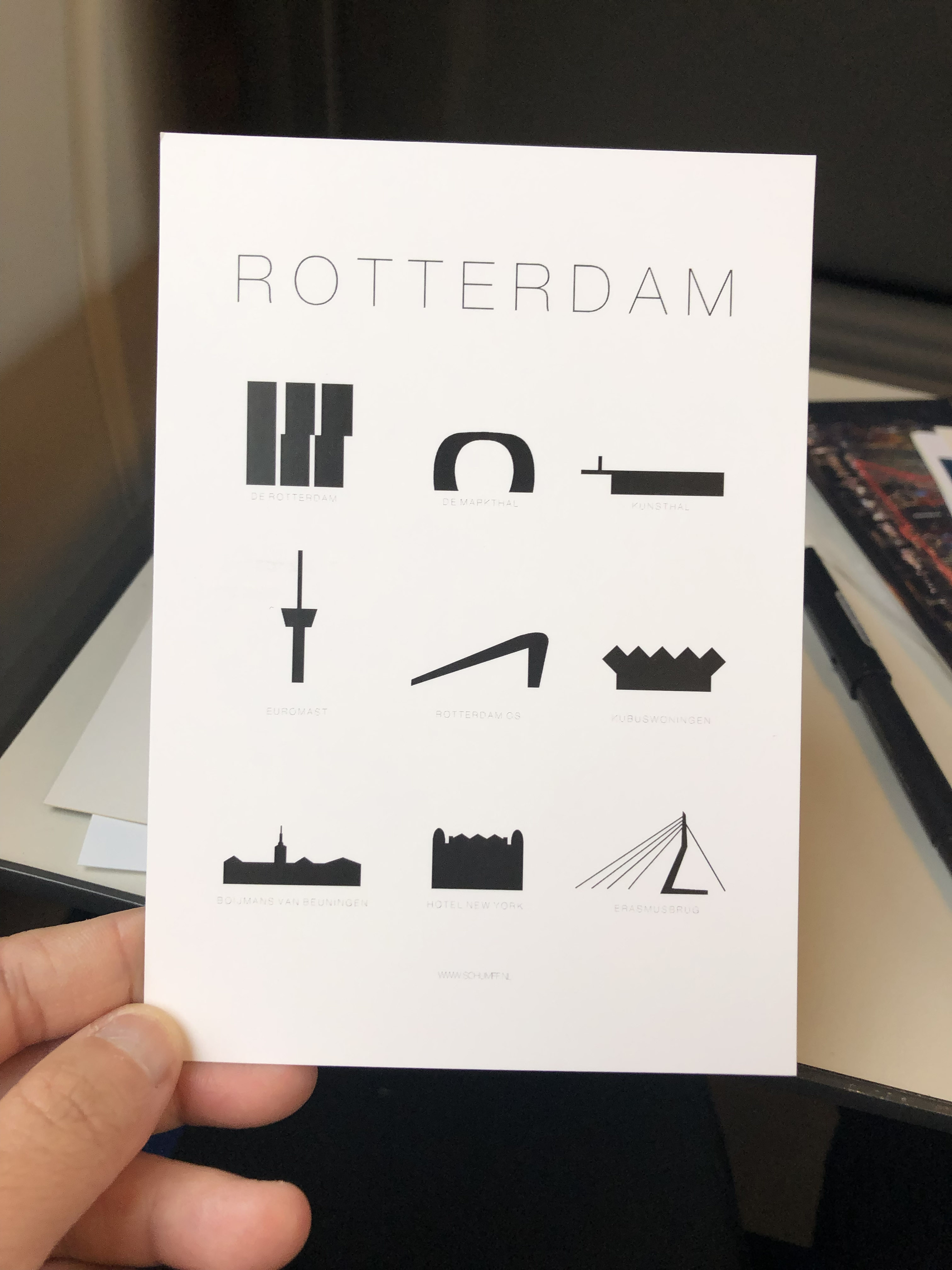
A postcard is exactly the kind of object I would use as the memory anchor for this route.
Chabot Museum Rotterdam
Chabot Museum sits in another part of Rotterdam's modern architecture story: smaller, quieter, and more museum-like than the factory. I would save it as a text-first stop for now, then add a photo later if the right image fits the route.
Kunsthal Rotterdam by OMA
Kunsthal is a good transition into contemporary Rotterdam. Designed by OMA, it feels like a route more than a static object: ramps, halls, views, and changing exhibitions make the building part of the visit.
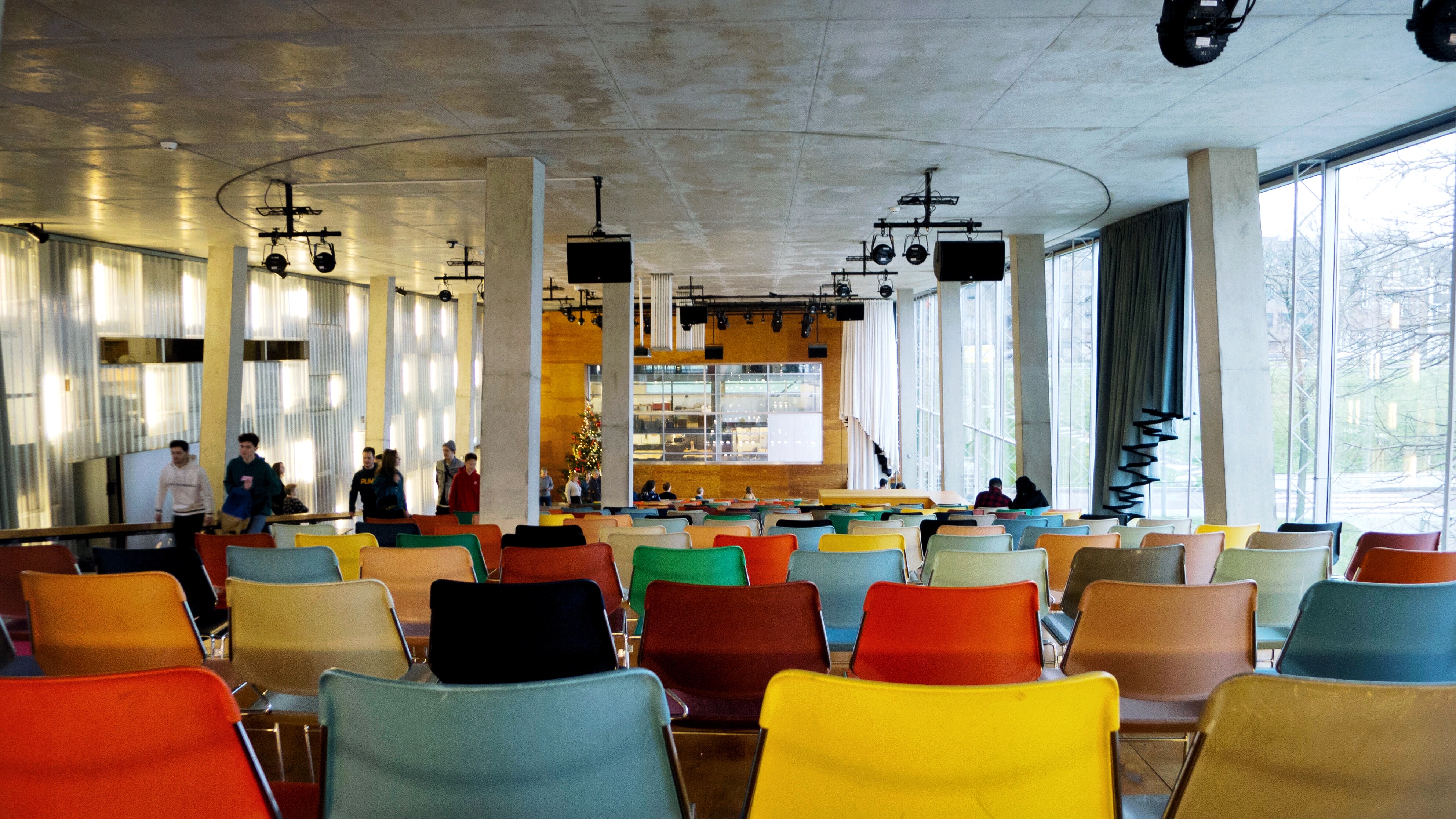
Kunsthal is a memory of movement through space, not just a museum name.
Markthal Rotterdam by MVRDV
Markthal is one of Rotterdam's most immediate architecture memories: market, housing, food, color, and urban spectacle all folded into one building. It is also the kind of place where a small receipt, snack photo, or postcard can become a keepsake.
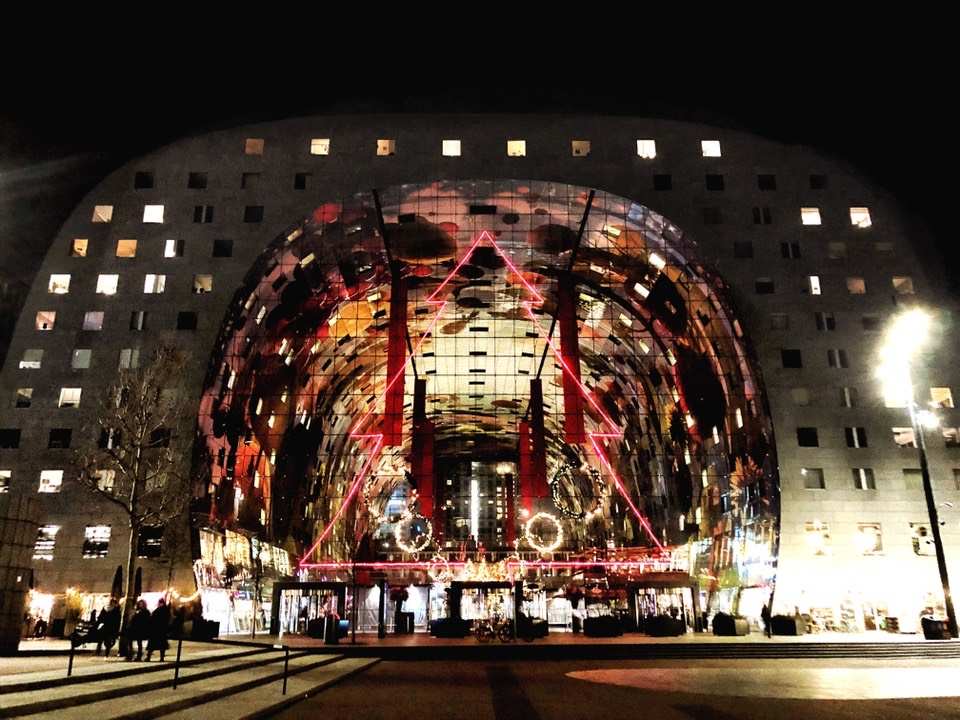
Markthal is a useful reminder that architecture memories can include food, light, and noise too.
Depot Boijmans Van Beuningen by MVRDV
The Depot is a different kind of museum building: a mirrored public art storage facility that turns the hidden work of collection care into a visible experience. I would include it as a text-first stop here, then add a photo when you have one you like.
Cube Houses / Kubuswoningen
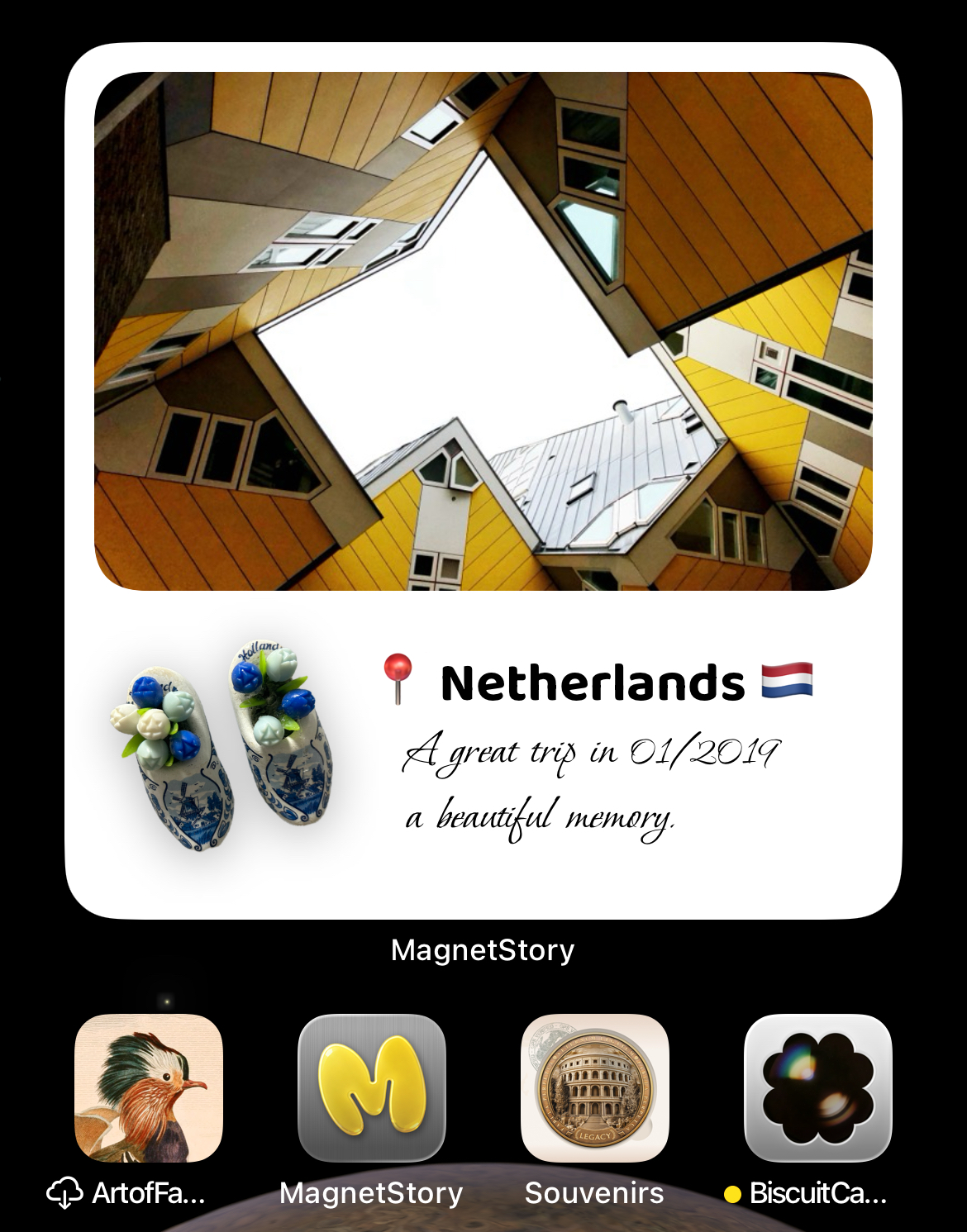
The Cube Houses are probably the easiest Rotterdam architecture memory to recognize later. Their shape is graphic, playful, and strange enough that even a single photo can bring back the whole stop.
.JPG)
A strong shape makes a strong memory anchor.
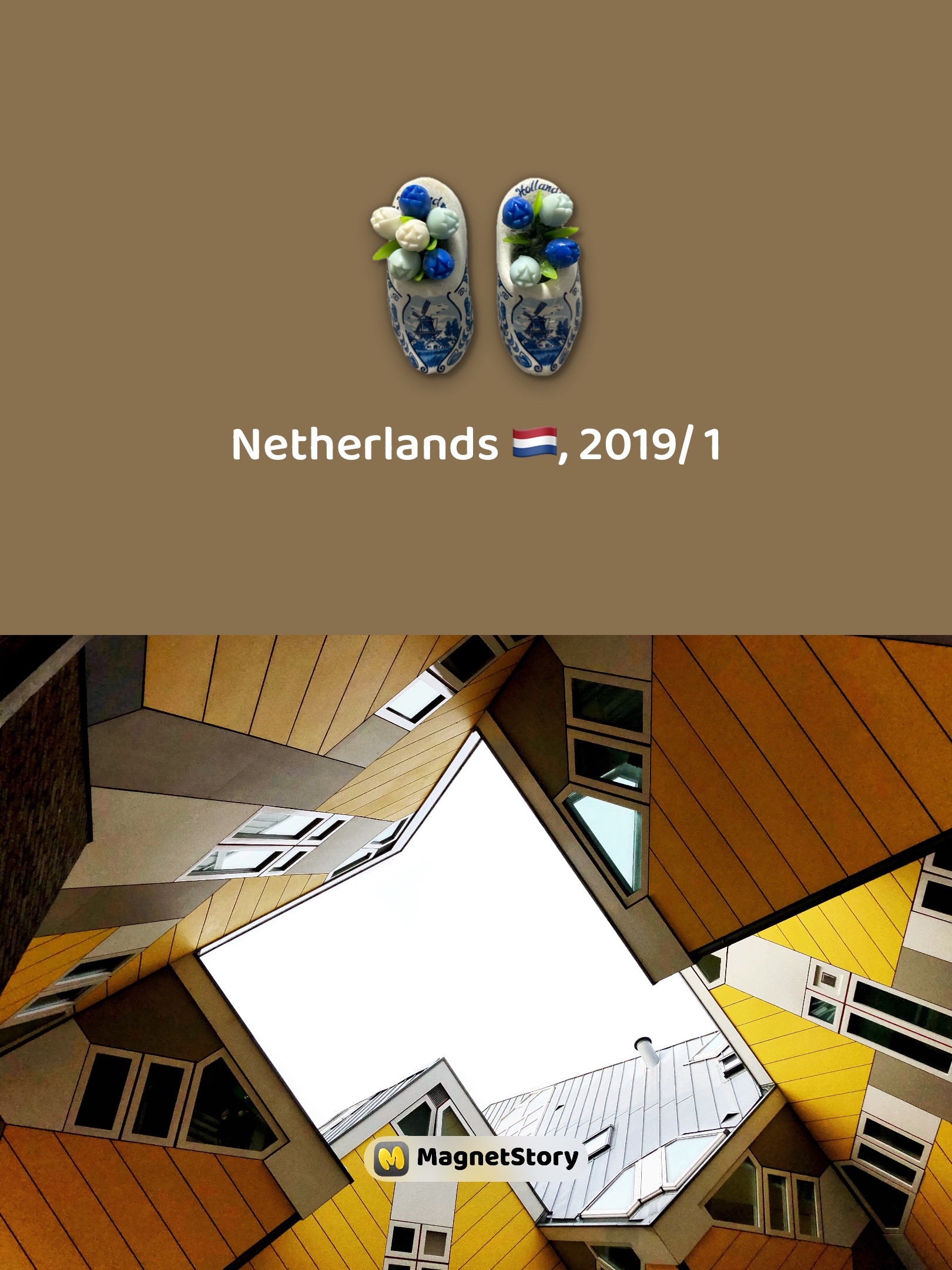
This is where an app screenshot makes sense: the building, location, and memory object become one shareable card.
Erasmus Bridge
I would end the route at Erasmus Bridge. It is a skyline anchor, a river crossing, and one of the cleanest ways to remember Rotterdam as a city of infrastructure and form.
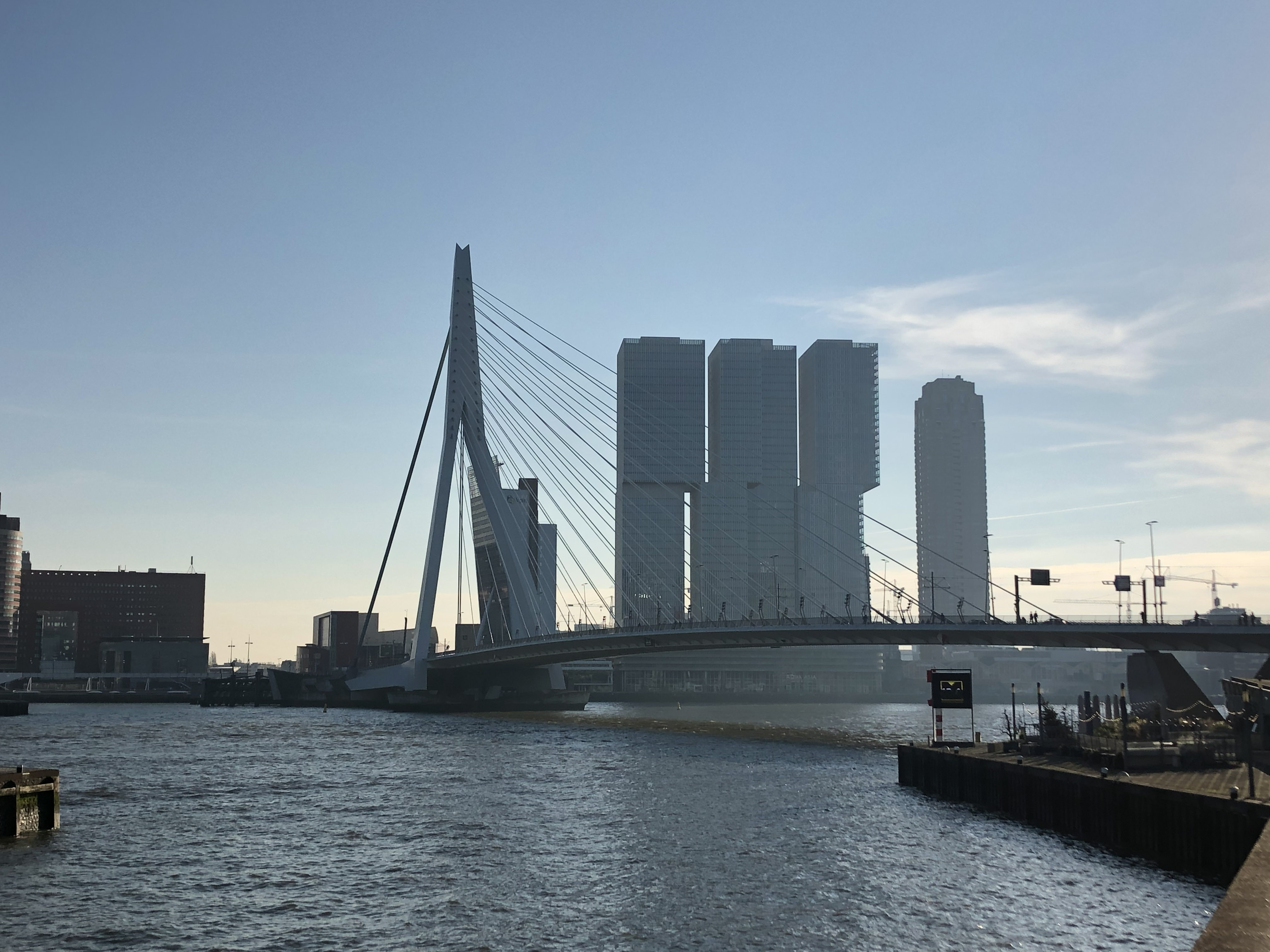
The bridge is the final line of the route: water, skyline, and structure in one view.
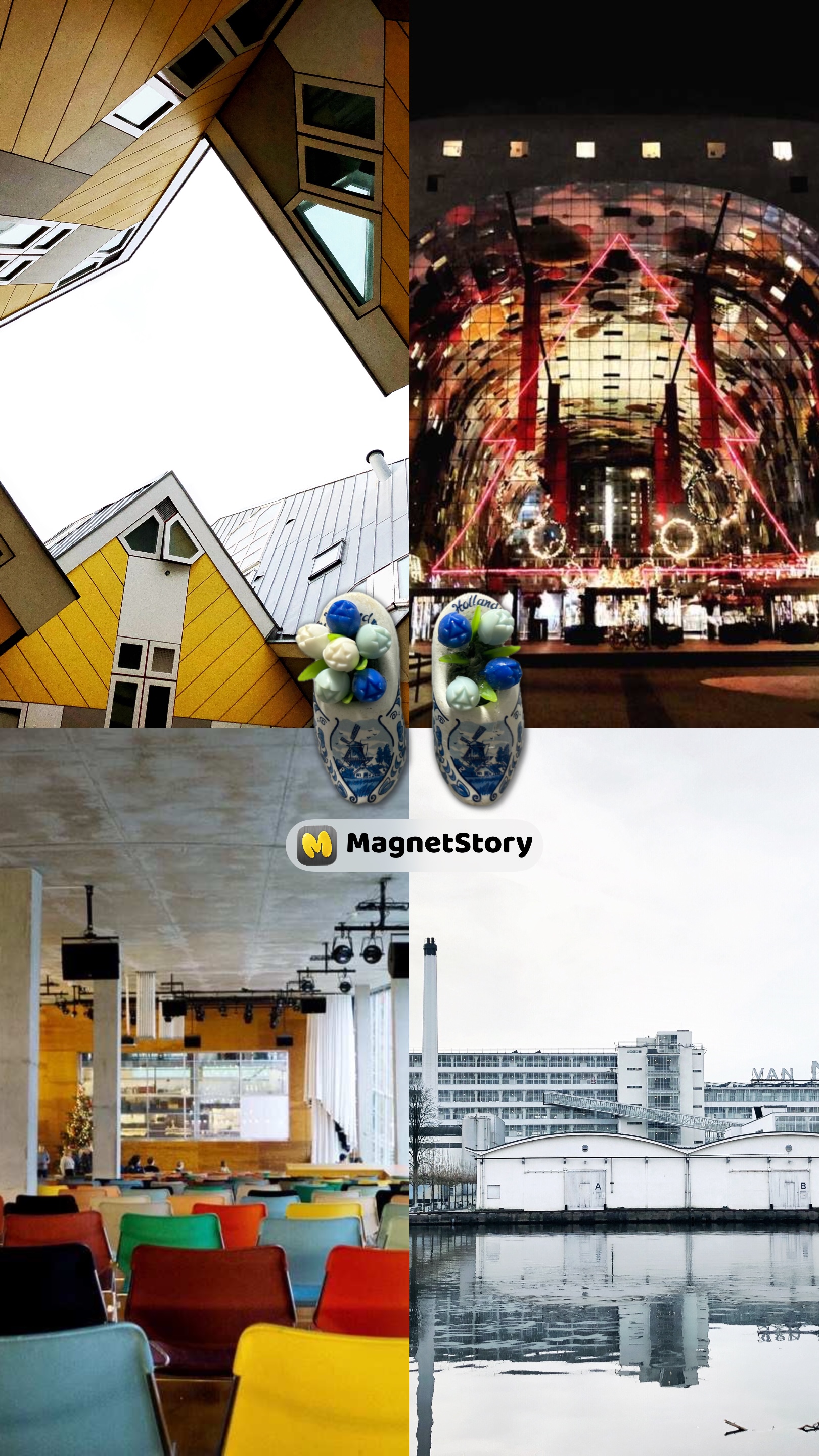
A Rotterdam share card can hold the city route as one compact architecture memory.
How I would save Rotterdam in MagnetStory
Object: architecture postcard, museum ticket, bridge photo, map, receipt, or small souvenir.
Place: Rotterdam, plus the exact building or route stop.
Photos: choose the images that explain the building: arrival, detail, interior, and object.
Note: write why this building stayed in your mind, not only what it is called.
Quick notes for saving architecture travel memories
- Best keepsake types: postcards, museum tickets, building maps, receipts, magnets, and small printed guides.
- Best photo mix: one wide shot, one detail, one interior or route moment, and one object photo.
- Best use of MagnetStory: connect each object to a specific building so the city does not blur into one photo album.
Rotterdam memories on your iPhone
Architecture memories are easy to collect and easy to lose in the camera roll. MagnetStory widgets can help surface one saved building, postcard, or city object later without flattening the whole route into one folder.
Get MagnetStory on the App Store
MagnetStory is made for people who want to keep the story behind travel souvenirs, architecture postcards, museum tickets, magnets, and small personal objects after a city route like this one.
 ← Back to Blog